| If this website doesn't display properly Click Here | ||
![]() |
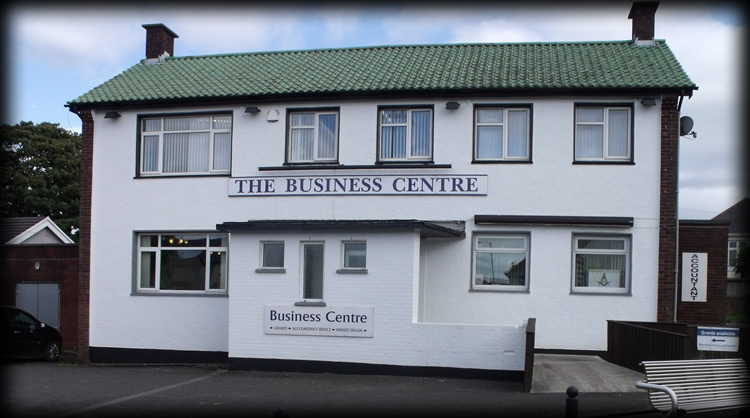
Business Sense The Business Centre, 132 Samlet Road, Llansamlet, Swansea, SA7 9AF Tel :01792 310110 |
![]() |
.
.
.
.
|
|
Value Added Tax 2007 - 2008 It’s different if you are running a business. Then you may be required by the Government to charge the tax to your customers, collect it and pass it on to HM Revenue & Customs. Now it’s very noticeable – accounting for it is a major burden, it can reduce your profits margins, and getting it wrong leads to big penalties. Must I charge VAT? Once you are registered, you can claim back the VAT which other traders charge to you on your business costs. That help’s, but you hope your income will be paying VAT to HMRC. Also many costs – such as wages – don’t carry VAT. Example Mary runs a café with a gross turnover of £65,000 a year. She has costs of £25,000, which includes £1,000 of VAT able items such as professional fees and stationery. She has to pay over 7/47 of her sales to HMRC - £9,680 – and gets back just £175 in return. She is worse off than Jack, even though her sales are higher and her costs are the same. Do I want to register? If you are not VAT-registered, you give away the fact that your business is very small. Some people may think you are not declaring your income to the taxman if you don’t charge VAT, even if you are entitled not to because you’re too small. And some customers will not accept that a service provider is self-employed if not registered – they will want to deduct PAYE from their fees. Who’s registered? On the other hand, if you can use two different people to run the separate businesses, you look at each on its own – for example, a husband could be the plumber and his wife could be the proprietor of the B&B. A partnership between husband and wife, and a limited company, are further examples of different “people” for VAT purposes. Simply a minefield In some areas, such as land, the rules can be very complicated and the numbers large – the consequences of a mistake are serious. There are also expenses you cannot reclaim the VAT on, such as the purchase of a car (with very limited exceptions) or business entertainment. Registered traders act as unpaid tax collectors for the Government, but they can suffer heavy penalties for getting the answers wrong – even if the rules are complicated and the mistakes are innocent. The good news The flat rate scheme allows you to keep some of the VAT you charge to customers instead of claiming the VAT back on your expenses – depending on the numbers, you can end up in pocket (it’s simpler, too). The cash accounting scheme allows you to delay paying VAT to HMRC until you have received it from your customers. The annual accounting scheme means you only have to file one VAT return a year instead of 4 or 12. How we can help
OUR SERVICES Corporate Finance
Accounts & Audits
Tax
Business Development
|
Business Sense Accountancy Service, The Business Centre, 132 Samlet Rd, Llansamlet, Swansea SA7 9AF Tel 01792 310110
|
| Home | Contact Us | Self Assessments | PAYE and NIC | Loans | Tax Calender | Inheritance Tax | |
| Ltd Company | Enquiry | Payroll | Corporation Tax | Land Redemption | Directory | FAQ's | |
| Additional Services | Online Accounts | Value Added Tax | Losses | Allowances | Online Shop | Legal Disclaimer | |
© Copyright 2010 Business Sense Accountancy Service | Design & Build BusinessCentreOnline |
|||||||